
If you’re experiencing persistent sleep difficulties such as trouble falling or staying asleep over weeks, significant daytime sleepiness, or noticeable changes in sleep patterns, it’s time to seek professional help. Additionally, loud snoring, sleep-related breathing issues, unusual behaviors like sleepwalking, or worsening mental and physical health symptoms indicate the need for evaluation. Addressing these concerns early can prevent chronic problems and lead to targeted treatment—discover the key indicators that signal when expert intervention is essential.
Key Points
- Persistent trouble falling or staying asleep despite good sleep hygiene warrants professional evaluation.
- Excessive daytime sleepiness affecting daily functioning indicates a need for medical assessment.
- Loud snoring, irregular breathing, or unusual nocturnal behaviors suggest sleep disorders requiring diagnosis.
- Worsening mental health symptoms or physical health issues linked to sleep problems should be evaluated by a professional.
- Untreated sleep issues increasing risk of accidents, health complications, or interfering with quality of life require prompt help.
Persistent Difficulty Falling or Staying Asleep
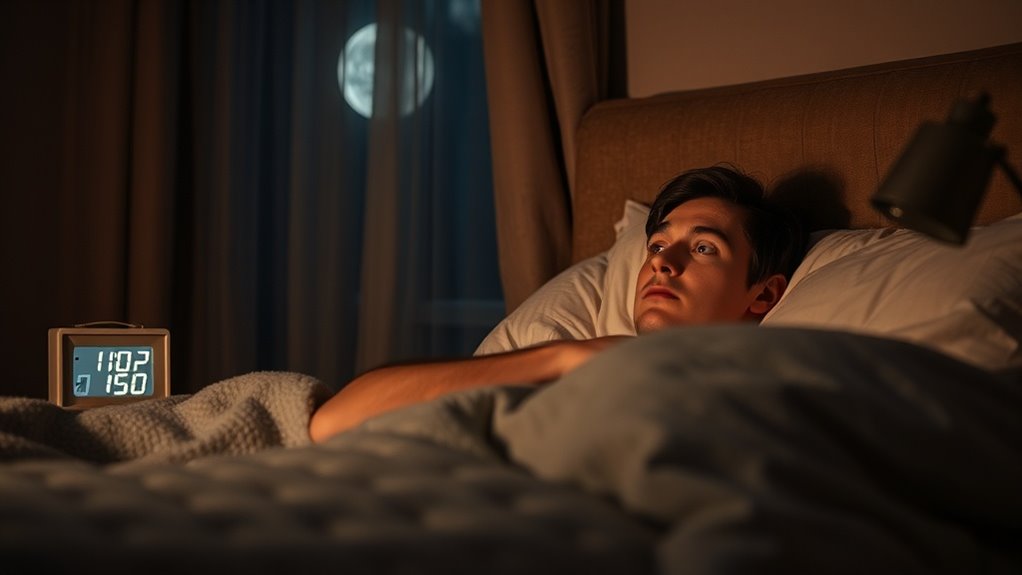
Persistent difficulty falling asleep or maintaining sleep continuity over an extended period is a key indicator that professional evaluation may be necessary. This issue often signals underlying sleep disorders, such as insomnia, requiring detailed assessment. Prior to seeking help, evaluate your sleep hygiene practices—maintaining a consistent sleep schedule, avoiding stimulants before bedtime, and creating a cool, dark sleeping environment are essential steps. Incorporate evidence-based relaxation techniques, such as progressive muscle relaxation or deep breathing exercises, to facilitate sleep onset. These interventions can improve circadian rhythm regulation and reduce arousal levels that hinder sleep initiation. If these strategies fail to produce sustained improvement, or if sleep fragmentation persists, it’s *vital* to consult a healthcare professional. They can perform diagnostic assessments, including sleep studies if necessary, to identify potential sleep disorders and recommend targeted treatment options. Early intervention helps prevent chronic sleep deprivation and associated health risks.
Excessive Daytime Sleepiness or Fatigue
Excessive daytime sleepiness or fatigue can substantially impair your cognitive function, productivity, and overall quality of life. Persistent symptoms may indicate underlying conditions such as sleep disorders, metabolic issues, or neurological concerns that require medical evaluation. Recognizing these impacts early is essential to determine appropriate diagnostic and treatment strategies.
Impact on Daily Life
When sleep issues are left unaddressed, they can considerably impair your daily functioning by causing pronounced daytime sleepiness and fatigue. This persistent exhaustion hampers concentration, decision-making, and overall productivity. Poor sleep hygiene and ineffective lifestyle modifications often exacerbate these symptoms, reducing alertness and increasing the risk of accidents. The following table illustrates how sleep-related impairments affect various aspects of daily life:
| Aspect | Impact of Sleep Issues |
|---|---|
| Cognitive Function | Impaired memory, decreased focus |
| Physical Activity | Reduced energy, increased fatigue |
| Safety | Higher risk of accidents, slower reaction times |
Recognizing these effects highlights the importance of addressing sleep problems promptly to preserve your functional capacity.
Potential Underlying Conditions
Since ongoing daytime sleepiness and fatigue can result from a range of underlying medical and sleep disorders, it is essential to conduct a thorough evaluation to identify potential causes. These may include sleep disorders such as narcolepsy or sleep apnea, but also medication side effects and environmental factors. Certain medications, including antihistamines, antidepressants, and sedatives, can induce excessive sleepiness, complicating diagnosis. Environmental factors like poor sleep hygiene, excessive noise, or inappropriate lighting can also contribute to fatigue. A detailed assessment involves reviewing medication use, sleep patterns, and lifestyle factors, alongside clinical evaluations to rule out underlying medical conditions. Identifying these contributors is vital for targeted treatment, preventing unnecessary interventions, and improving overall sleep quality and daytime alertness.
Sudden Changes in Sleep Patterns or Habits

Sudden alterations in your sleep patterns, such as abrupt insomnia or hypersomnia, may indicate underlying health issues requiring prompt evaluation. Recognizing these warning signs involves monitoring changes in sleep onset, duration, or quality, especially when they are persistent or unexplained. Evaluating potential causes—ranging from medical conditions to lifestyle factors—is essential to determine whether professional intervention is necessary.
Recognize Warning Signs
Alterations in your sleep patterns or habits can serve as critical indicators of underlying health issues or sleep disorders. Significant shifts, such as increased difficulty falling asleep, frequent awakenings, or changes in sleep duration, warrant careful attention. These may signal disruptions in sleep hygiene or maladaptive sleep environment factors. To evaluate potential warning signs, consider the following:
| Symptom | Possible Implication |
|---|---|
| Sudden insomnia or hypersomnia | Underlying psychiatric or medical condition |
| Increased night awakenings | Poor sleep environment or stress factors |
| Changes in sleep timing | Circadian rhythm disturbances |
Recognizing these signs early enables timely intervention, preventing progression of sleep-related health problems.
Assess Underlying Causes
When you notice abrupt changes in your sleep patterns or habits, it is crucial to systematically assess potential underlying causes, as these shifts often reflect core physiological, psychological, or environmental factors. Identifying these causes involves examining several aspects:
- Recent stress management challenges increasing emotional or physical stress
- Significant lifestyle modifications such as shifts in work schedules or routines
- Changes in medication or substance use impacting sleep cycles
- Environmental factors like noise, light, or temperature fluctuations
- Underlying medical conditions, including hormonal imbalances or neurological issues
Conducting a thorough evaluation helps determine if lifestyle modifications or addressing stress-related factors can restore normal sleep patterns, or if professional intervention is necessary. This targeted approach ensures underlying causes are effectively managed.
Sleep-Related Breathing Problems or Snoring Loudly
If you notice that you or your partner are consistently snoring loudly or experiencing irregular breathing patterns during sleep, it may indicate an underlying sleep-related breathing disorder such as obstructive sleep apnea. Snoring frequency and intensity often correlate with airway obstruction, which can be influenced by sleep position—supine positions tend to worsen airflow restriction, increasing snoring severity. These breathing disruptions are not merely benign; they can lead to fragmented sleep, oxygen desaturation, and cardiovascular strain. Recognizing signs such as persistent loud snoring, observed apneas, or gasping episodes warrants further evaluation. If these symptoms are present, consulting a sleep specialist is vital, as diagnostic procedures like polysomnography can quantify the severity of airway obstruction and identify potential obstructions during sleep. Addressing sleep position or using targeted interventions can mitigate symptoms, but professional assessment guarantees accurate diagnosis and effective treatment planning.
Unusual Behaviors During Sleep, Such as Sleepwalking or Night Terrors
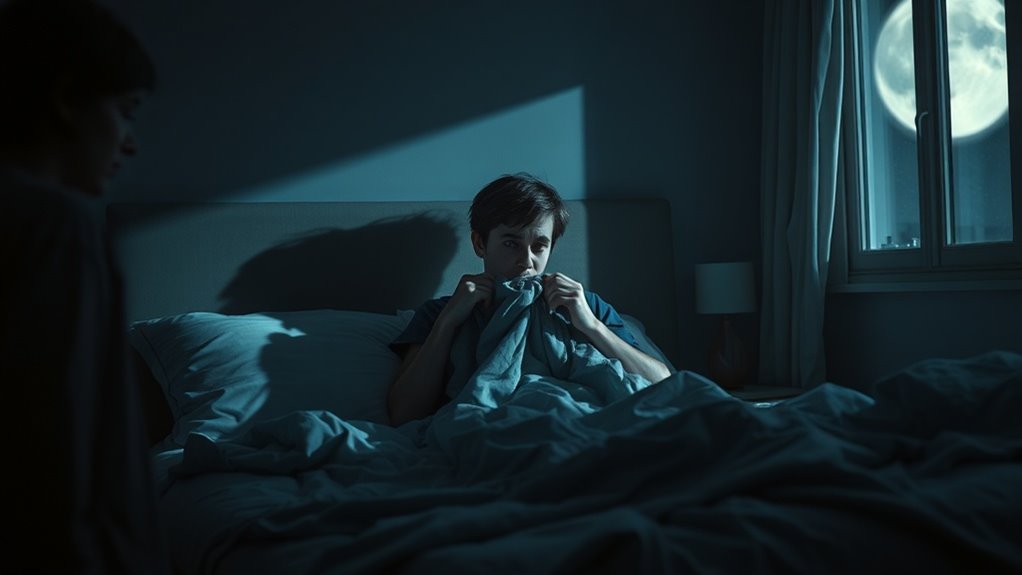
Unusual behaviors during sleep, such as sleepwalking or night terrors, often indicate underlying sleep disturbances that warrant careful evaluation. These nocturnal behaviors, classified as dream enactment, involve complex actions during sleep that can pose safety risks. Sleepwalking involves ambulation during non-REM sleep, often with amnesia for the event, while night terrors are characterized by abrupt arousals with intense fear and autonomic activation. Such behaviors may suggest disorders like REM sleep behavior disorder or other parasomnias requiring clinical assessment.
You should seek help if you notice:
- Repeated episodes of sleepwalking or nocturnal wandering
- Physical injuries from sleep-related behaviors
- Sleep disturbances affecting daytime functioning
- Presence of violent or aggressive nocturnal actions
- Disruption of bed partner’s or family member’s sleep
Professional evaluation guarantees accurate diagnosis, especially when these behaviors are frequent or dangerous, to develop a targeted treatment plan and prevent injury.
Worsening Mental or Physical Health Symptoms
Worsening mental or physical health symptoms during sleep can signal underlying medical or psychiatric conditions that require prompt professional evaluation. For example, escalating anxiety, depression, or hallucinations might indicate a serious mental health disorder impacting sleep quality and overall well-being. Similarly, physical symptoms such as chest pain, shortness of breath, or unexplained fatigue could be signs of cardiovascular or metabolic issues that are exacerbated during sleep. These symptoms may not improve with typical sleep hygiene adjustments and could worsen over time if left unaddressed. Recognizing the connection between sleep disturbances and broader health concerns is critical; persistent or worsening mental health symptoms can impair cognitive function and emotional regulation, while physical symptoms may suggest underlying systemic illnesses. Immediate consultation with healthcare providers guarantees accurate diagnosis, targeted treatment, and prevents potential complications associated with undetected medical or psychiatric conditions.
Impact on Daily Functioning and Quality of Life
When sleep disturbances persist or worsen, their effects often extend beyond immediate rest, considerably impairing daily functioning and overall quality of life. Chronic sleep issues can lead to decreased cognitive performance, affecting concentration, decision-making, and memory retention. They also exacerbate mental health conditions, increasing risks of anxiety and depression. Poor sleep may impair physical health, elevating cardiovascular risks and weakening immune function. Medication effects can compound these issues, as sedatives or sleep aids may cause residual drowsiness or dependency. The following impacts are common:
- Reduced productivity and increased errors at work
- Impaired emotional regulation and heightened irritability
- Decline in social interactions and relationships
- Increased risk of accidents and injuries
- Deterioration of mental health, potentially requiring medication adjustments
Recognizing these signs is vital; professional intervention can address both sleep disorders and their broader consequences.
Common Questions
How Do I Know if My Sleep Issues Are Serious Enough to See a Doctor?
If your sleep issues persist despite practicing good sleep hygiene and managing anxiety, it’s time to see a doctor. Indicators include daytime fatigue, cognitive impairment, or if sleep disturbances markedly impact daily functioning. A healthcare professional can evaluate underlying conditions, recommend targeted interventions, and address factors like anxiety management. Don’t ignore symptoms that worsen or last over several weeks, as prompt intervention can prevent chronic sleep disorders.
What Specific Tests Might a Sleep Specialist Recommend?
Ever wondered what a sleep specialist might uncover? They often recommend sleep studies and diagnostic tests, such as polysomnography, to monitor brain activity, breathing, and oxygen levels during sleep. These tests help identify conditions like sleep apnea or restless leg syndrome. Additionally, multiple sleep latency tests may be used to evaluate narcolepsy. These all-encompassing assessments provide critical insights, guiding targeted treatment plans to improve your sleep quality.
Are There Lifestyle Changes That Can Improve Sleep Before Seeking Help?
You can often improve sleep by optimizing your sleep environment—keeping your bedroom dark, cool, and quiet—and practicing relaxation techniques like deep breathing or progressive muscle relaxation before bed. Establishing a consistent sleep schedule and avoiding stimulants or screens an hour prior also enhance sleep quality. These lifestyle changes promote natural circadian rhythm regulation and reduce stress, making them effective first steps before seeking specialized medical intervention.
How Long Should I Try Self-Help Strategies Before Consulting a Professional?
You should try self-help strategies for at least 3 to 4 weeks, conducting a thorough symptom monitoring and self-help evaluation during this period. If sleep difficulties persist or worsen despite consistent efforts, it’s wise to consult a healthcare professional. Keep track of sleep patterns, duration, and any associated symptoms to provide detailed insights. Persistent issues beyond this timeframe may indicate underlying conditions requiring specialized assessment and intervention.
Can Untreated Sleep Issues Lead to Long-Term Health Problems?
Untreated sleep issues can lead to long-term health problems like cardiovascular disease, diabetes, and mental health disorders. Poor sleep hygiene exacerbates these risks, impairing immune function and cognitive performance. Relying solely on sleep medication without addressing underlying causes may worsen outcomes. If sleep disturbances persist beyond a few weeks despite self-help strategies, it’s crucial to consult a healthcare professional to evaluate underlying conditions and develop an all-encompassing treatment plan.