
In today’s fast-paced world, mastering the art of slowing down means recognizing signs of rushed living like tension, irritability, and mistakes, then embracing deliberate pacing through mindful habits. Prioritizing essential tasks, taking mindful pauses, and practicing patience can deepen focus and spark genuine creativity. Balancing speed with reflection allows authentic expression and resilience to flourish. If you want to truly understand how to integrate these meaningful pauses into your life, explore how mindful slowing transforms everyday living and work.
Key Points
- Embrace mindful movement and deliberate pacing to enhance focus, clarity, and sustainable progress in daily life and creative pursuits.
- Prioritize essential tasks, incorporate regular mindful breaks, and use visual cues to foster presence and reduce overwhelm.
- Cultivate patience through reflection and intentional refinement, deepening emotional depth and producing higher quality work.
- Balance speed and reflection in art by capturing spontaneous energy and dedicating time for meaningful refinement.
- Practice consistent mindfulness techniques, such as deep breathing and pauses, to build resilience, emotional regulation, and mental clarity.
Recognizing the Signs of Rushed Living
Recognizing the signs of rushed living requires a keen awareness of both physical and emotional cues that often go unnoticed in a hectic lifestyle. When you’re constantly pressed for time, it’s easy to overlook how your body reacts—tense muscles, a racing heart, or shallow breathing serve as subtle alarms. Emotionally, irritability, impatience, or a sense of overwhelm can signal that you’re living too quickly. Repeatedly redoing tasks or making careless mistakes indicates a mind stretched too thin, urging you to slow down. Additionally, feeling disconnected from the present moment and neglecting self-care are common signs that you’re caught in the rush. These indicators aren’t just fleeting annoyances—they reflect a deeper pattern of hurried living. Recognizing these signs is essential for breaking free from the cycle, allowing you to reflect on how your pace impacts your well-being and productivity.
Embracing the Power of Deliberate Pacing
By intentionally slowing your movements through mindful techniques and structured routines, you can reclaim clarity and emotional balance in a chaotic world. Moving at a deliberate pace isn’t about laziness; it’s about sharpening focus and improving accuracy, proving that slower can be more effective. Embracing this shift challenges the fast-paced norm, revealing that progress achieved with calm intention is often more sustainable.
Mindful Movement Techniques
Embracing the power of deliberate pacing through mindful movement techniques invites you to slow down and tune into your body’s sensations, fostering a heightened sense of presence and awareness. Mindful movement isn’t just about slow exercise; it’s a conscious practice that enhances your connection to each action. Whether it’s slow yoga, tai chi, or mindful walking, these practices encourage pacing that allows full engagement with every movement. This intentional slowing reduces stress hormones and sharpens mental clarity, making your movement purposeful rather than habitual. When you incorporate deep breathing with mindful movement, you synchronize breath and motion, deepening relaxation and focus. Regular practice cultivates body awareness, prevents injury, and nurtures a calm, centered mind—proving that slowing down can be a powerful act of self-care.
Intentional Daily Routines
Establishing intentional daily routines hinges on the deliberate pacing of your activities, which can profoundly influence your mental clarity and emotional resilience. When you craft intentional routines, you create space for mindfulness and focused effort rather than hurried multitasking. Limiting priorities to three or fewer prevents overwhelm and sharpens your attention. Incorporating pauses between tasks encourages reflection, reducing automatic reactions and fostering calm. Using timers or alarms helps you slow down intentionally, improving accuracy and reducing errors. Finally, carving out time for stillness and reflection nurtures inner calm amid busy schedules. These intentional routines aren’t just about productivity—they’re about reclaiming your mental space and emotional stability through deliberate pacing.
- Focused prioritization
- Paused transitions
- Gentle start routines
- Timed work segments
- Reflection and stillness
Practical Steps to Slow Down Your Day
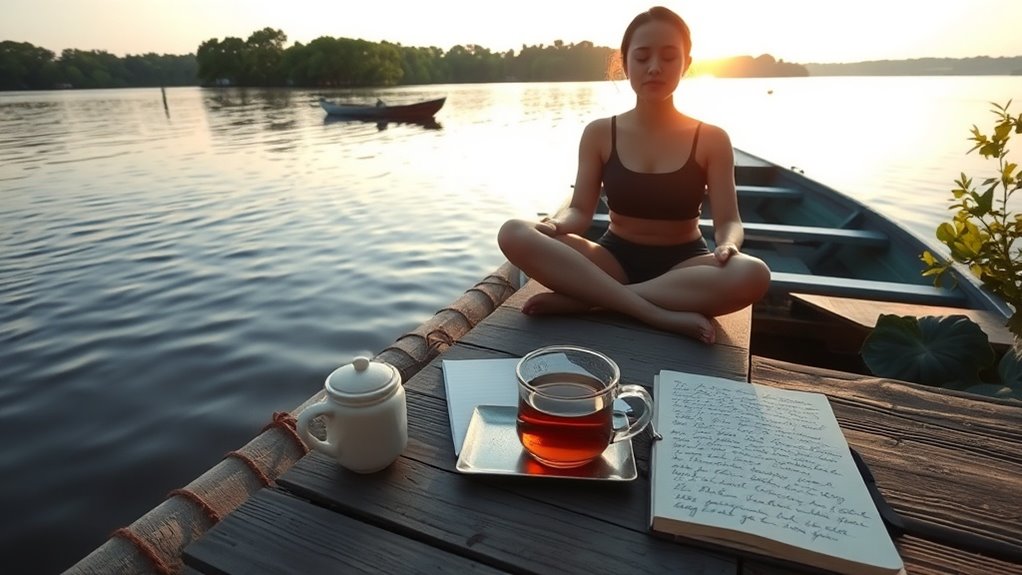
To truly slow down your day, you need to prioritize essential tasks, avoiding the trap of overcommitting. Incorporating mindful breaks and embracing slow routines can create space for reflection and calm amid chaos. Ultimately, these practical steps challenge the modern rush, urging you to reclaim control over your pace with deliberate intention.
Prioritize Essential Tasks
Focusing on only your most essential tasks can be a powerful way to slow down your day and reduce the constant sense of being overwhelmed. When you prioritize, you cut through the noise and concentrate on what truly matters, avoiding the trap of endless to-do lists. Regularly reassess your tasks, eliminating non-essential items to stay aligned with your core goals. Practice doing fewer tasks at once, emphasizing quality over quantity, which naturally encourages a slower, more mindful workflow. Scheduling intentional pauses between tasks creates space for reflection and prevents rushing. To stay mindful, use visual cues like timers or sticky notes, reminding yourself to prioritize and stay present. This strategic focus cultivates calm and clarity amid daily chaos.
Incorporate Mindful Breaks
Incorporating mindful breaks into your daily routine can be a deceptively simple yet powerful strategy to slow down amidst the chaos. These pauses aren’t just about resting; they serve as intentional moments to reset your focus and reduce stress. During these breaks, practicing deep breathing activates your parasympathetic nervous system, fostering relaxation. Gentle stretching or brief outdoor walks reconnect you with your body and cultivate presence, grounding you in the moment. Setting reminders or alarms guarantees you don’t slide into autopilot, encouraging you to pause intentionally. Importantly, avoiding multitasking and turning off notifications allows you to fully engage with your breath or surroundings, reinforcing a sense of calm. Mindful breaks, when integrated thoughtfully, become essential tools for reclaiming control over your busy day.
Embrace Slow Routines
Establishing slow routines requires intentional design and mindful commitment, as rushing through daily tasks often leads to stress and mistakes. By embracing slow routines, you shift from the frantic pace of miles per hour to a mindful art of slowing, where each task is approached with focus and calm. This involves taking a deep breath before starting, doing things at a manageable pace, and tackling one thing at a time. It takes practice to resist getting caught in the whirlwind of constant activity, but the payoff is a more deliberate, less chaotic day. To succeed:
- Incorporate mindful breathing into your routines
- Limit your to-do list to three priorities
- Use alarms or sticky notes to pause
- Schedule regular reflection breaks
- Practice slowing down to increase attentiveness
Cultivating Patience as a Creative Force
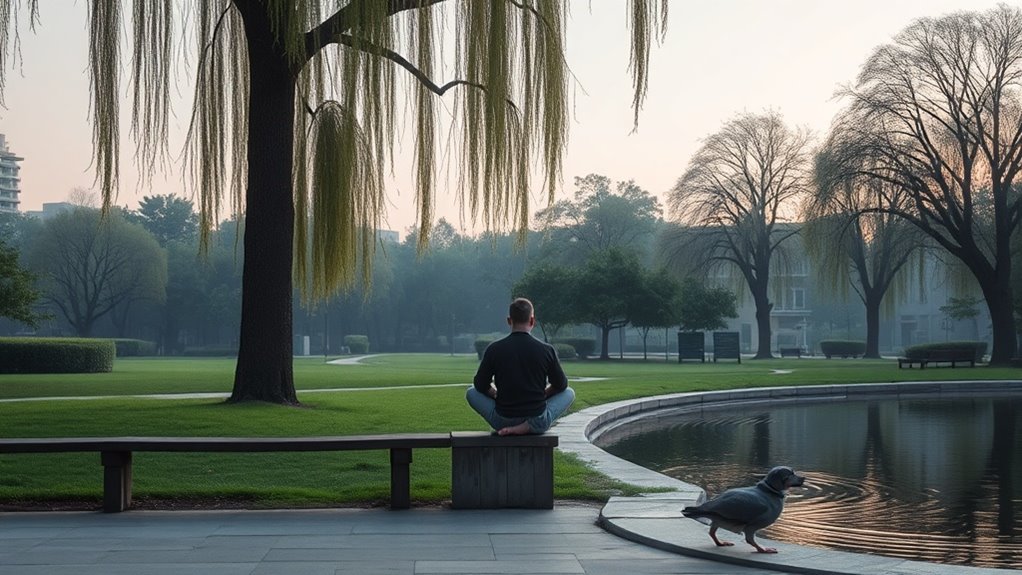
While it may seem counterintuitive in a culture that often prizes speed and instant results, cultivating patience can serve as a powerful catalyst for creativity. Patience transforms slow, deliberate actions into meaningful breakthroughs, fostering deeper reflection and craftsmanship. Artists restoring intricate artworks exemplify how patience leads to resilient, nuanced creations. Scientific studies support this, showing that practicing patience reduces stress and sharpens focus, directly boosting creative output. Turning patience into a creative act requires consciously slowing down, allowing ideas to mature naturally. Here’s a look at how patience influences the creative process:
| Action | Result | Impact |
|---|---|---|
| Slowing down | Deepens reflection | More meaningful work |
| Embracing delays | Fosters intentional refinement | Higher quality outcomes |
| Waiting for ideas | Encourages natural evolution | More nuanced work |
| Practicing patience | Enhances focus and reduces stress | Sustained creativity |
In essence, patience is not passive; it’s an active tool shaping profound, resilient art.
Balancing Speed and Reflection in Creativity
Balancing speed and reflection in creativity requires a nuanced understanding that both rapid inspiration and deliberate refinement are essential for producing meaningful art. When you rely solely on speed, you risk capturing fleeting energy without depth; too much reflection, and you risk stifling spontaneity. Reflection is one thing that transforms initial impulses into lasting, impactful works. Recognizing when to slow down is vital—quick moments can spark ideas, but reflection ensures those ideas mature into something authentic. Effective artists integrate these elements, using quick bursts to generate ideas and slow processes to refine them. This balance nurtures technical mastery and emotional depth, making your art not just immediate but enduring. Ultimately, the dance between speed and reflection isn’t about choosing one over the other but knowing when to lean into each for maximum creative impact.
- Spontaneous inspiration ignites ideas
- Reflection deepens meaning
- Speed captures raw energy
- Slow refinement enhances mastery
- Timing determines artistic authenticity
Mindfulness Techniques for Everyday Life
Incorporating mindfulness techniques into your daily routine can profoundly transform how you experience and respond to life’s inevitable stresses. The thing about mindfulness is that it anchors you in the present, preventing your mind from spiraling into worry or distraction. Deep breathing, body scans, and focused attention aren’t just exercises; they’re tools to cultivate awareness amid chaos. Practicing mindful observation—paying close attention to sensory experiences without judgment—heightens your perception of the moment, making mundane things more vivid and less overwhelming. Regular mindful meditation provides a mental reset, reducing stress and helping you regulate emotions during hectic routines. Incorporating mindful pauses between tasks acts as mental recharges, sharpening focus and slowing hurriedness. Using cues like alarms or sticky notes keeps mindfulness accessible throughout a busy day. The thing is, these techniques aren’t complicated, but they require consistency—turning small pauses into a powerful way to slow down and reclaim your mental space.
Building Resilience Through Mindful Slowing
Building resilience through mindful slowing requires a deliberate shift in how you approach everyday stresses; it’s about intentionally decelerating your pace to deepen awareness of your internal landscape. This practice enhances emotional resilience by fostering a capacity to respond thoughtfully rather than react impulsively. Regular pauses and deep breathing reinforce your ability to stay present, reducing emotional reactivity. Slowing down allows for deeper reflection, which cultivates mental clarity and stabilizes your emotional state over time. Activities like mindful walking activate the parasympathetic nervous system, promoting relaxation and resilience to challenges. Consistently adopting slow routines builds your capacity to handle setbacks with patience, lowering burnout risks. Ultimately, mindful slowing becomes a strategic tool for emotional resilience, empowering you to navigate stress with steadiness and insight.
- Cultivating emotional resilience through reflection
- Strengthening response to stress via slow routines
- Enhancing clarity with deliberate pauses
- Activating relaxation through mindful movement
- Building patience to reduce burnout
Common Questions
How Can I Measure if I’m Truly Slowing Down Effectively?
You can gauge if you’re truly slowing down through pace calibration. Notice if your daily rhythm feels more deliberate rather than rushed, and if stress levels decrease. Tracking your activities—how long they take and your emotional response—helps you analyze progress. If pauses become intentional, not forced, you’re calibrating your pace effectively. It’s a subtle shift, but one that reveals whether slowing down is genuinely taking hold or just superficial.
What Are Common Obstacles to Practicing Mindful Pacing Daily?
Common obstacles to practicing mindful pacing daily include overcoming distractions that constantly pull your focus away. You might find it hard to stay present because of digital interruptions or mental clutter. Overcoming these distractions requires deliberate effort, like setting boundaries or creating quiet spaces. Without addressing this, your pace remains hurried, undermining the very mindfulness you’re aiming for. Recognizing and managing these obstacles is essential to slow down effectively.
How Does Slowing Down Improve Long-Term Productivity?
When you slow down, you shift your perception of time, allowing moments to breathe. This recalibration enhances focus, reduces errors, and fosters deeper insights, ultimately boosting long-term productivity. By valuing quality over speed, your brain can process information more effectively, leading to smarter decisions. In principle, slowing down redefines your Time Perception, transforming fleeting hours into meaningful progress, and cultivating sustainable growth rather than fleeting gains.
Can Slowing Down Affect My Professional Success?
Yes, slowing down can positively impact your professional success by fostering a mindful balance. When you take time to pause and reflect, you’re more likely to make thoughtful decisions, avoid burnout, and cultivate resilience. This deliberate pace enhances creativity and strategic thinking, ultimately setting you apart in competitive environments. Embracing slowing down isn’t a setback; it’s a strategic move that promotes sustained growth and achievement.
What Role Does Technology Play in Facilitating or Hindering Slowing Down?
Did you know that 70% of people feel overwhelmed by technology? Technology can both facilitate and hinder slowing down. It offers tools for Digital Detox, helping you disconnect and find calm, but also tempts you with constant notifications that disrupt mindfulness. Ultimately, it’s up to you to set boundaries, using tech intentionally to foster slowing down, rather than letting it accelerate your stress and distractions.