
When public anxiety strikes, grounding tools like the 5-4-3-2-1 sensory method can help you stay present by focusing on what you see, touch, hear, smell, and taste. Deep breathing exercises and engaging with nearby objects can quickly soothe your nervous system. Visualizing calming spaces, savoring foods, or connecting with natural elements also promote relaxation. Combining these techniques strengthens your ability to manage anxiety discreetly and effectively in challenging moments—if you keep exploring, more strategies await.
Key Points
- Use the 5-4-3-2-1 sensory method to focus on present sensations discreetly in crowded settings.
- Practice deep breathing exercises like 4-7-8 to activate relaxation quickly.
- Engage with nearby objects through touch and description to ground yourself in the moment.
- Listen to calming sounds or nature to shift focus away from anxiety triggers.
- Repeat positive affirmations to counter negative thoughts and promote calmness in public environments.
Using the 5-4-3-2-1 Sensory Method
When you’re feeling overwhelmed in a public setting, the 5-4-3-2-1 sensory method offers a simple yet effective way to ground yourself. This grounding technique engages your senses to anchor you in the present moment, helping to reduce anxiety and stress. By identifying five things you see, four you touch, three you hear, two you smell, and one you taste, you shift focus away from racing thoughts and emotional overwhelm. This sensory method is discreet, making it ideal for managing anxiety in crowded or social environments. Scientific evidence shows that focusing on sensory details activates the parasympathetic nervous system, promoting relaxation and decreasing stress hormones. Regular practice can enhance your sensory awareness and provide quick relief during anxious moments. Incorporating this simple yet powerful tool into your stress reduction toolkit can help you regain control and feel more centered amidst public anxiety triggers.
Practicing Deep Breathing Exercises
Building on the grounding techniques that engage your senses, practicing deep breathing exercises offers a straightforward way to calm your nervous system from within. Deep breathing activates the body’s relaxation response, helping to reduce cortisol levels and ease feelings of anxiety. Techniques like the 4-7-8 method—inhale through your nose for 4 seconds, hold for 7, exhale slowly for 8—are especially effective for quick anxiety relief. When you focus on your breath, you distract yourself from negative thoughts and anchor your attention in the present moment, promoting calm and stress reduction. Regular practice can improve your lung capacity and give you better control over physiological stress responses during public moments of overwhelm. Because deep breathing requires no equipment and can be done discreetly, it’s an accessible tool for managing anxiety on the spot, providing immediate relief and fostering a sense of control when anxiety spikes.
Visualizing a Calm and Safe Space
Visualizing a calm and safe space can be a powerful way to manage anxiety during public moments. This grounding technique helps you feel safe by creating a vivid mental image of a peaceful environment, like a quiet forest or cozy room. Incorporating all five senses into your visualization—seeing the scenery, hearing gentle sounds, smelling familiar scents, touching comforting textures, and tasting soothing flavors—enhances relaxation and shifts focus away from social fears. Regular practice of this mental imagery can reduce stress hormone levels, such as cortisol, and boost emotional resilience, supporting your mental health. By engaging in these detailed visualizations, you redirect your attention from anxiety symptoms to a calming scene, promoting relaxation and a sense of control. This simple yet effective grounding technique strengthens your ability to stay centered in stressful public situations, helping you feel safe and grounded in the moment.
Engaging With Nearby Objects
Engaging with nearby objects provides a tangible way to anchor yourself in the present moment, which can be especially helpful during moments of public anxiety. By intentionally touching and describing objects around you, you shift your focus from overwhelming thoughts to sensory details. Notice the texture, weight, and temperature of items like a pen, coin, or jewelry—these details ground you in the here and now. You might describe its shape, color, or feel, creating a sensory connection that redirects attention away from anxiety. Using a focus object, such as a stress ball or cloth, further engages tactile sensations, promoting calmness. Recognizing and acknowledging these sensory experiences—like the feel of your clothing or the surface beneath your feet—helps you stay connected to your environment. This sensory engagement can reduce feelings of panic and increase your sense of control by anchoring your mind in the present through touch and description.
Savoring a Food or Drink
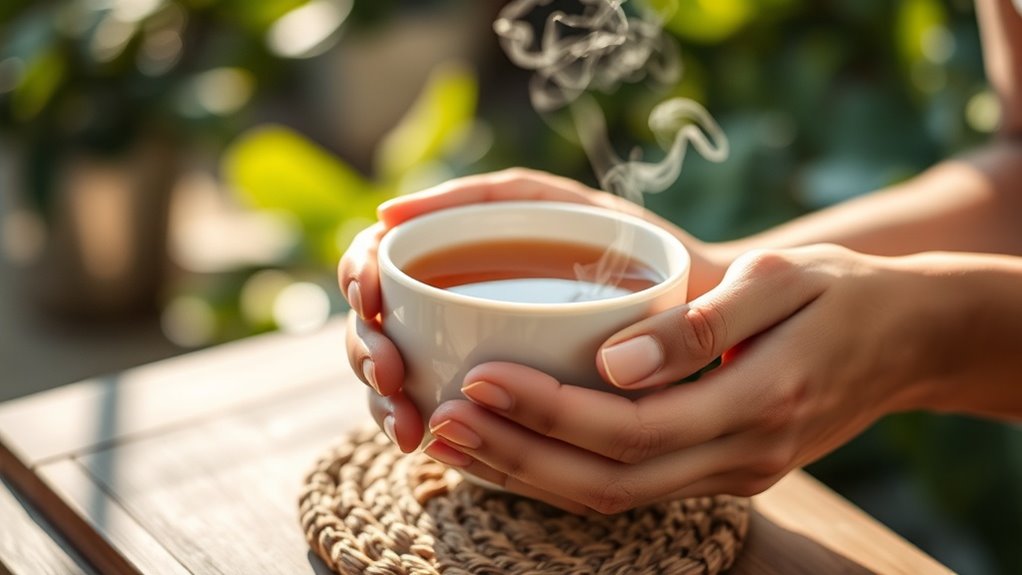
Focusing on the sensory details of a food or drink helps ground you in the present moment, which can ease feelings of anxiety. By fully engaging your senses—noticing flavors, textures, and aromas—you activate your body’s relaxation response. Practicing mindful eating in stressful situations offers a simple, effective way to regain calm and clarity.
Subheading 1: Engage Senses Fully
When you’re feeling overwhelmed in a public setting, paying close attention to the sensory experience of eating or drinking can be a powerful grounding technique. Engaging your senses helps anchor you in the present moment, promoting mindfulness and reducing anxiety. Focus on sensory details like the texture, aroma, taste, and temperature of your food or drink. Noticing specific flavors—such as the sweetness of chocolate or spiciness of ginger—diverts your attention from overwhelming feelings and activates your parasympathetic nervous system, encouraging calm. This simple grounding technique can help you regain control and feel centered. Here’s a visual to guide you:
| Sensory Detail | Example | Effect |
|---|---|---|
| Texture | Creamy, crunchy | Focuses awareness |
| Aroma | Fragrant, spicy | Anchors presence |
| Taste | Sweet, bitter | Engages senses |
| Temperature | Warm, cool | Enhances mindfulness |
Subheading 2: Focus on Flavors
Savoring a food or drink can be a highly effective way to ground yourself during moments of public anxiety. By focusing on flavors, you engage your sensory system, which can shift your attention away from racing thoughts. Pay close attention to the taste, aroma, and texture—whether it’s the sweetness of chocolate or the citrus brightness of a sip of tea. This sensory engagement activates your parasympathetic nervous system, promoting relaxation and reducing stress. Using strong flavors like mint, herbal infusions, or spicy foods can provide immediate sensory input that anchors you in the present. Mindfully experiencing these flavors helps interrupt anxious patterns, fostering a sense of calm. This simple, evidence-based grounding technique can be quickly employed anytime you need to regain composure in public.
Subheading 3: Mindful Eating Practice
Practicing mindful eating during moments of public anxiety can be a powerful way to ground yourself in the present. By focusing on each bite or sip, you activate sensory awareness, paying close attention to taste, texture, and temperature. This deliberate engagement helps promote relaxation by stimulating your parasympathetic nervous system, which counters feelings of overwhelm. Engaging all your senses—such as noticing aroma and appearance—enhances the calming effect and reinforces grounding. Research indicates that mindful eating can support emotional regulation, reducing tendencies toward emotional overeating. When anxiety strikes in public, this simple practice can shift your focus outward, anchoring you in the present moment, and fostering a sense of calm amidst chaos. It’s a practical, evidence-based tool to help manage public anxiety effectively.
Moving Your Body With Quick Stretches or Walks
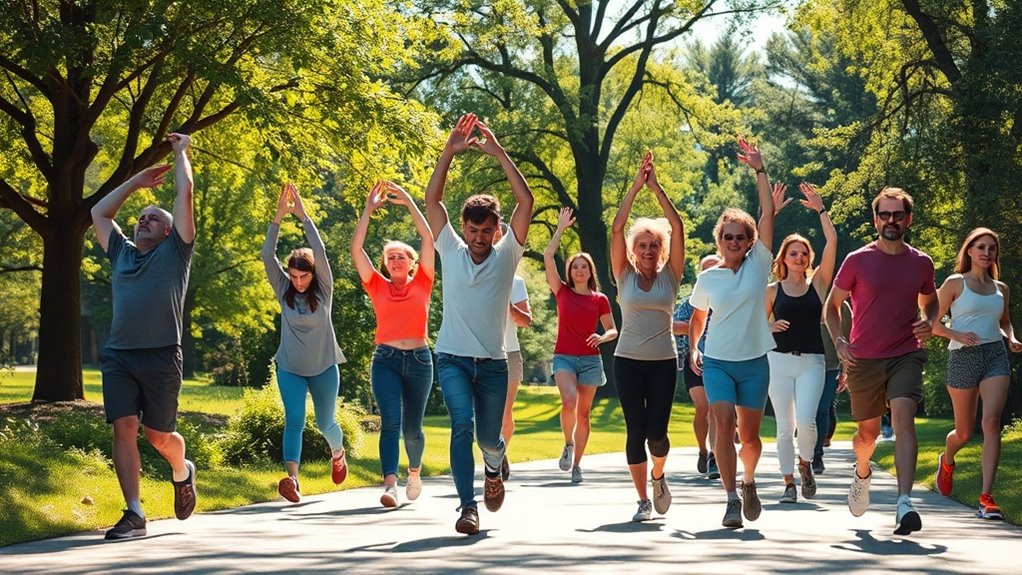
Engaging in quick stretches or brief walks can be an effective way to manage anxiety in public settings. These grounding techniques focus on body movement to reduce physical tension and promote relaxation. Simple actions like neck rolls, shoulder shrugs, or arm stretches activate the parasympathetic nervous system, calming your nervous system. A brisk 1-2 minute walk, with mindful breathing and steady foot placement, shifts focus away from overwhelming thoughts, easing public anxiety. Moving outdoors onto grass or sand enhances grounding through natural textures and sounds, further lowering cortisol levels. Incorporating rhythmic movements, such as swinging your arms or side stretches, reinforces relaxation and helps you regain control in social environments.
| Technique | Body Movement Example | Benefit |
|---|---|---|
| Quick Stretches | Neck rolls, shoulder shrugs | Immediate tension relief |
| Short Walks | Mindful walking, steady steps | Focus shift, calming effect |
| Grounding Outdoors | Walking on grass or sand | Natural sensory connection |
| Rhythmic Movements | Arm swings, side stretches | Activates relaxation response |
Listening to Soothing Sounds or Music
Listening to calming playlists, natural sounds, or sound baths can profoundly lower stress and promote emotional stability during public anxiety. These auditory tools activate pleasure centers in your brain, helping you shift focus away from anxious thoughts. Incorporating them regularly can build resilience and support your long-term well-being in stressful situations.
Choose Calming Playlists
Choosing calming playlists can be a simple yet effective way to manage public anxiety, as the right sounds have been shown to activate your body’s relaxation response. Calming playlists featuring soothing songs, ambient music, or nature sounds can lower cortisol levels and slow your heart rate, fostering relaxation. Creating an “emergency” playlist with favorite tracks allows for quick mood shifts, reducing feelings of overwhelm or panic. Music therapy research indicates that tunes with a tempo of 60-80 beats per minute align with your body’s rhythms, promoting calmness. Incorporating guided sound baths or binaural beats can further enhance mental grounding by entraining brainwaves toward alpha or theta states, associated with relaxation. Listening to familiar or preferred music can activate reward centers, distracting from anxious thoughts and creating a sense of safety in public spaces.
Focus on Natural Sounds
Building on the calming effects of music, natural sounds offer another powerful way to ground yourself in moments of public anxiety. Listening to natural sounds like birdsong or flowing water activates your parasympathetic nervous system, promoting relaxation and anxiety reduction. Incorporating calming music or nature soundtracks during stressful situations helps focus your attention on auditory cues, shifting awareness away from social stressors. Using apps or recordings makes these sounds portable, providing quick emotional relief. Regular exposure enhances emotional resilience, decreasing the frequency of anxiety episodes. Here’s a deeper look:
| Natural Sounds | Benefits | Application |
|---|---|---|
| Birdsong | Stress reduction | Morning routine |
| Flowing water | Relaxation | During breaks |
| Wind in trees | Emotional resilience | Commutes |
| Rain | Calming music | Bedtime |
| Insects’ hum | Anxiety management | Meditation sessions |
Use Sound Baths
Since sound baths utilize calming tones like gongs, singing bowls, and chimes, they can be a highly effective way to ground yourself amid public anxiety. These grounding techniques promote relaxation by reducing stress hormones and shifting brain waves from active beta to calmer alpha or theta states. Listening to soothing sounds during a sound bath can distract you from panic triggers and social anxiety, providing immediate emotional relief. Research indicates that regular participation in sound baths enhances emotional well-being, decreases anxiety symptoms, and boosts overall mental resilience. By incorporating sound baths into your coping toolkit, you create a quick, accessible method to foster calmness and stabilize your mood in stressful public situations, making them a valuable resource for managing public anxiety.
Repeating Positive Affirmations
Repeating positive affirmations can be an effective tool for managing public anxiety, as they help counteract negative thoughts and promote a sense of calm. When you repeat affirmations like “I am safe” or “I can handle this,” you activate your body’s relaxation response, reducing stress hormones such as cortisol. Regularly using specific, supportive phrases can boost your self-confidence and provide reassurance during stressful moments. Whether spoken aloud or silently, affirmations focus your mind away from anxious thoughts and foster mental resilience. Personalizing these affirmations to address your unique fears can make them even more effective, offering tailored reassurance and emotional regulation.
| Affirmation Type | Benefits |
|---|---|
| General | Promotes calm and reduces anxiety |
| Personalized | Fosters reassurance specific to fears |
| Repetitive | Strengthens self-confidence over time |
Connecting With Nature or Natural Elements
Connecting with nature offers a quick and effective way to reduce public anxiety by engaging your senses and grounding your mind. When you walk barefoot on grass or sand, you stimulate sensory receptors in your feet, creating an immediate calming effect. Submerging your hands or feet in natural water sources like rivers or lakes enhances sensory input, promoting relaxation through water’s temperature and movement. Observing natural elements such as trees, flowers, or clouds activates your parasympathetic nervous system, helping to lower stress hormones and foster calm. Engaging with natural scents—like fresh earth, pine, or ocean air—can also boost your mood and decrease anxiety within minutes. Physical contact with natural materials, such as holding a smooth stone or a leaf, provides tactile grounding that helps anchor you during moments of public anxiety. These natural elements serve as simple, accessible tools to reconnect with the environment and restore emotional balance quickly.
Common Questions
How Long Should I Practice Each Grounding Technique During a Panic Attack?
During a panic attack, aim to practice each grounding technique for about 1 to 3 minutes, following duration guidelines that prioritize quick relief. Consistent practice outside of attacks enhances timing strategies and technique effectiveness. Start with short, focused sessions—around 5-10 minutes daily—to build familiarity and confidence. Remember, technique consistency and gradual session length increases help you respond more effectively when anxiety strikes, fostering resilience over time.
Can These Grounding Tools Be Used Discreetly in Social Settings?
Imagine your grounding tools as secret handshakes—subtle, discreet methods that fit seamlessly into social settings. You can use techniques like deep breathing or focusing on your senses quietly, ensuring privacy. Studies show that subtle techniques are more socially acceptable and help maintain composure without drawing attention. With practice, you’ll master these quiet strategies, allowing you to manage anxiety discreetly while respecting social norms and personal privacy.
Are There Specific Techniques Suitable for Children or Teenagers?
For children and teenagers, you’ll want to use child-friendly strategies and teen-focused exercises that suit their developmental stages. Playful grounding techniques, like deep breathing combined with tapping or sensory activities, are effective and age appropriate. These methods help them manage anxiety discreetly and comfortably, fostering emotional regulation. Research shows that engaging, developmentally suitable tools improve coping skills, making it easier for young people to navigate social situations with confidence and resilience.
How Quickly Do These Methods Typically Reduce Feelings of Anxiety?
You can often experience rapid reduction in anxiety with quick grounding tools, providing immediate relief within seconds to minutes. The timing effectiveness varies, but many find a quick response helps to calm intense feelings quickly, with the duration of calm lasting from a few minutes to longer if practiced consistently. These methods are supported by evidence showing they can deliver a swift response, making them valuable for managing public anxiety in real-time.
Can Combining Multiple Grounding Techniques Enhance Their Effectiveness?
Think of grounding techniques as puzzle pieces; combining multiple pieces can create a clearer picture. Technique combinations and multi-method approaches enhance effectiveness by engaging different senses, making anxiety management more all-encompassing. Sensory integration helps your mind shift focus and reduces overwhelm faster. Evidence suggests that using varied grounding methods together boosts their overall calming power, offering a more resilient and personalized way to navigate public anxiety with confidence.