
Discovering joy through simplicity is a transformative journey that refreshes your mind and nourishes your spirit. By decluttering your space, focusing on meaningful moments, and practicing mindful choices, you’ll find a sense of calm and clarity that nurtures emotional well-being. Embracing minimalism aligns with spiritual values and benefits the environment, creating a life filled with gratitude and purpose. Continue exploring this gentle approach, and you’ll uncover how to cultivate lasting happiness in everyday life.
Key Points
- Cultivate gratitude for everyday moments by appreciating simple pleasures like nature, quiet time, or meaningful conversations.
- Declutter your environment to create mental clarity and reduce stress, fostering a peaceful mindset.
- Focus on experiences and relationships over material possessions to deepen fulfillment and joy.
- Practice mindful consumption by choosing quality over quantity, aligning with your core values.
- Embrace spiritual principles of contentment and trust in a higher purpose to find lasting happiness in simplicity.
Understanding the Power of Minimal Wellness
Have you ever wondered how simplifying your daily routines can transform your mental clarity and emotional well-being? Minimal wellness is all about embracing simplicity to create a healthier, more balanced life. By simplifying routines, you reduce unnecessary stress and allow space for what truly matters. Decluttering your environment isn’t just about tidiness; it’s a powerful step toward calming your mind and lowering anxiety levels. When you practice mindful consumption, you make intentional choices, focusing on quality over quantity, which nurtures your emotional well-being. This approach encourages you to prioritize meaningful experiences and relationships instead of material possessions. Adopting a minimalist mindset helps you build resilience and find genuine happiness. It’s about recognizing that less can be more—more peace, more clarity, and more connection. Ultimately, minimal wellness empowers you to live intentionally, fostering a sense of balance that enriches every aspect of your life.
How Simplifying Your Space Enhances Mental Clarity
When you embrace minimal wellness by simplifying your environment, you create space for your mind to breathe. Minimalism removes visual clutter, reducing distractions that can cloud your focus. An organized environment is not just tidy—it’s a foundation for better mental clarity, lowering stress and boosting cognitive function. Simplifying your surroundings frees up mental energy, making decision-making easier and sparking creativity. When possessions are minimized, feelings of overwhelm fade, replaced by a calm, ordered sense of peace. Consistently maintaining this simplicity nurtures your mental well-being, helping you build emotional resilience over time. By intentionally decluttering and embracing an organized space, you support your capacity to think clearly, feel centered, and cultivate a sense of calm. This holistic approach reminds you that less truly can be more—enhancing your mental clarity and overall well-being through the power of simplifying.
Practical Steps to Adopt a Minimalist Lifestyle
Starting on a minimalist lifestyle is a gentle process that begins with small, intentional steps. Focus first on decluttering one area at a time, donating or selling items that no longer serve a purpose. This clears physical and mental space, making your environment more peaceful. Practice mindful shopping by asking yourself if each purchase aligns with your values and truly adds value to your life, helping you avoid impulsive buys. Simplify your wardrobe with versatile capsule collections, reducing decision fatigue and making daily choices easier. Create designated spaces for your belongings to support ongoing organization and prevent clutter from creeping back in. Remember, prioritizing experiences and relationships over material possessions nurtures lasting happiness. These practical tips make adopting a minimalist lifestyle accessible and sustainable, guiding you toward a more intentional, joyful life. Each small step builds momentum, transforming your space and mindset with gentle purpose.
The Spiritual and Biblical Foundations of Contentment
Embracing a minimalist lifestyle often leads to greater clarity and peace, but true contentment goes beyond simply decluttering our space. Biblical principles remind us that genuine contentment stems from spiritual fulfillment, not material possessions. When we focus on faith and reliance on God’s provision, we cultivate gratitude and inner peace. Jesus’ teachings encourage us to store treasures in heaven rather than on earth, shifting our perspective from possessions to relationships and spiritual growth. Scriptures like Philippians 4:11-13 teach that our strength and contentment come from trusting in God’s plan, not external riches. To deepen this understanding, consider these biblical truths:
True contentment comes from trusting God’s provision and prioritizing spiritual growth over material possessions.
- Contentment is rooted in trusting God’s provision
- Detachment from materialism fosters true happiness
- Gratitude shifts focus from what we lack to what we have
- Spiritual strength surpasses external wealth
- Simplicity aligns with biblical teachings on fulfillment
Environmental Benefits of Living With Less
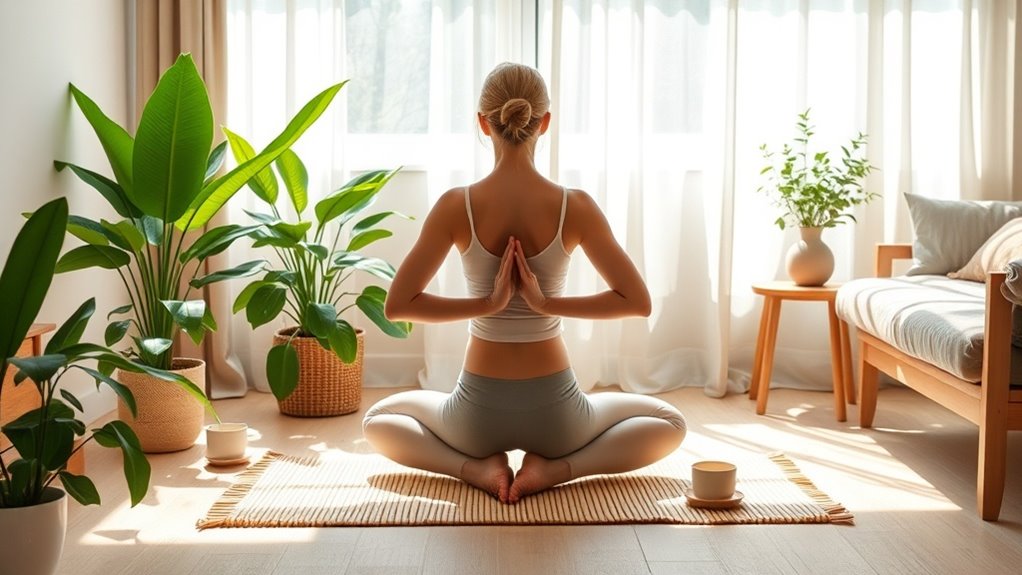
Living with less not only simplifies your life but also has a profound positive impact on the environment. When you embrace minimalist living, you naturally support sustainable habits that reduce your environmental impact. By consuming less, you conserve resources like water, minerals, and forests, helping to preserve our planet’s precious natural assets. Your choices to recycle, reuse, and buy durable goods lead to waste reduction, decreasing landfill overflow and pollution. Supporting second-hand markets and ethical purchasing further minimizes harm caused by manufacturing new products, promoting eco-friendly habits that benefit future generations. Every mindful purchase and reduction in consumption contribute to a healthier environment. Living with less encourages a mindset of resource conservation, which plays a crucial role in combating climate change and reducing your carbon footprint. It’s a holistic approach that aligns your daily choices with the well-being of our planet, fostering a sense of purpose and connection to the earth’s sustainability.
Cultivating Joy Through Sensory and Everyday Experiences
You can find joy in simple moments—like feeling the warmth of the sun or listening to natural sounds—that reconnect you with the present. By engaging your senses daily, you nurture a sense of peace and gratitude that naturally shifts focus away from material pursuits. Embracing these small, sensory-rich experiences helps deepen your appreciation for life’s everyday beauty.
Senses and Nature
Have you ever noticed how simply being in nature can lift your spirits? When you tune into your senses—feeling the grass beneath your feet, inhaling the scent of flowers—you activate sensory awareness that fosters mindfulness and relaxation. These natural interactions help reduce stress and deepen your connection with the environment. Engaging with nature’s sights and sounds—like sunsets or birdsong—enhances emotional well-being and mental clarity. By focusing on sensory experiences, you cultivate joy in the present moment and nurture a sense of gratitude. This simple practice reminds you that wellness can be found in everyday encounters with the natural world, encouraging a harmonious balance of mind and body. Embrace these moments to nourish your senses and find peace in nature.
Simple Pleasures Daily
Even in the busiest days, it’s often the simplest moments that bring the most joy. Embracing simple pleasures allows you to reconnect with yourself and the world around you. Sensory experiences—like feeling the warmth of sunlight, smelling fresh flowers, or savoring a favorite meal—can ground you in mindfulness and deepen your appreciation for everyday life. Living minimally doesn’t mean missing out; it means choosing meaningful activities like gardening or quiet reflection that nurture your happiness. These small, accessible joys foster emotional resilience and remind you that fulfillment isn’t found in complexity or possessions but in honest, present moments. Cultivating these simple pleasures daily helps create a joyful life rooted in awareness, gratitude, and the beauty of living minimally.
Common Questions
What Is the 30 30 Rule for Minimalists?
They say, “Small steps lead to big changes.” The 30-30 Rule helps you embrace decor minimalist and clutter reduction by decluttering 30 items every month. It encourages mindful living through an essential wardrobe and digital declutter, making your space more intentional. This steady approach fosters peace, clarity, and balance, reminding you that progress, however gradual, is the key to a more harmonious, simplified life.
What Does Finding Joy in Simplicity Mean?
Finding joy in simplicity means embracing mindful living through decluttering habits and making intentional choices that prioritize what truly matters. You’ll notice more daily gratitude and sensory awareness when you slow down and appreciate the small moments—like a gentle breeze or a warm cup of tea. This holistic approach helps you feel centered, resilient, and more connected to yourself and the world around you, fostering lasting happiness from within.
What Is the 20 20 Rule for Minimalists?
The 20/20 rule is like a gentle nudge for your decor minimalist journey, helping you decide quickly whether an item sparks joy or serves a purpose. When decluttering habits align with simple living, this rule encourages mindful consumption and aesthetic minimalism. By trusting your instincts within 20 seconds, you create a space that feels peaceful and intentional, nurturing your well-being through thoughtful choices that reflect your true essence.
What Is the 90-90 Rule for Minimalism?
The 90-90 rule helps with space optimization and decluttering techniques by encouraging you to let go of items unused in the past 90 days, fostering mindful consumption. It supports a minimalist design and a digital detox, creating a calming environment. By applying this rule, you transform your space into a peaceful, intentional sanctuary, making room for what truly matters and nurturing your overall well-being through simplicity and holistic living.