
Your breath plays a vital role in how your body recovers naturally from stress. Rapid or shallow breathing activates your fight-or-flight response, increasing tension. Conversely, slow, deep diaphragmatic breaths stimulate your parasympathetic nervous system, promoting calmness and relaxation. By consciously controlling your breath—like practicing slow exhalations or box breathing—you can quickly shift from stress to calm, supporting ongoing recovery. Exploring these techniques further reveals how small adjustments can deeply influence your well-being.
Key Points
- Deep, diaphragmatic breathing activates the parasympathetic nervous system, promoting relaxation and aiding natural stress recovery.
- Slow, controlled breathing improves heart rate variability, enhancing the body’s ability to recover from stress.
- Focused exhalations and extended exhale patterns strengthen vagal tone, supporting calming physiological responses.
- Regular breathing exercises can reduce sympathetic activation triggered by stress, facilitating quicker mental and physical recovery.
- Personalized, consistent breath practices help maintain long-term resilience and support the body’s innate stress recovery processes.
Understanding the Connection Between Breath and Stress Response
The connection between breath and stress response is both direct and measurable. When you experience stress, your breathing typically quickens, activating the sympathetic nervous system and triggering the fight-or-flight response. This physiological shift increases heart rate, releases adrenaline, and prepares your body to confront or escape danger. Conversely, intentional breathing—specifically deep, diaphragmatic breaths—stimulates the parasympathetic nervous system, which counters the stress response. This activation promotes relaxation, lowers blood pressure, and reduces cortisol levels. The reciprocal relationship between breathing patterns and stress means that altering your breath can immediately influence your mental and physical states. By consciously slowing and deepening your breathing, you engage your body’s natural calming mechanisms. Understanding this connection provides a foundation for practical stress management, emphasizing that your breath isn’t just a passive process but a powerful tool for regulating your nervous system and fostering resilience.
How Breathing Influences the Autonomic Nervous System
Breathing patterns directly influence the autonomic nervous system, shaping your body’s stress response and relaxation processes. Deep breathing, particularly diaphragmatic, activates the parasympathetic branch, promoting calmness and reducing stress. Conversely, rapid or shallow breathing stimulates the sympathetic nervous system, increasing alertness and tension.
| Breathing Pattern | Nervous System Response | Effect on Stress |
|---|---|---|
| Slow, deep breathing | Parasympathetic activation | Relaxation, stress reduction |
| Rapid, shallow breathing | Sympathetic activation | Increased alertness and stress |
| Exhalation focus | Vagal tone increase | Enhanced recovery |
| Inhalation | Slight sympathetic stimulation | Heightened alertness |
| Controlled breathing | Modulates heart rate variability | Strengthens vagal tone |
Evidence Supporting Breathing Techniques for Stress Reduction
Does the evidence truly support the use of specific breathing techniques for reducing stress? Yes, multiple studies confirm that respiratory techniques like deep breathing can effectively promote stress reduction. A systematic review found that over three-quarters of breathing interventions significantly lowered stress or anxiety, especially when practices involved slow, diaphragmatic, or paced breathing. Meta-analyses show a small to medium effect size, indicating meaningful improvements in self-reported stress levels. Techniques such as box breathing and alternate nostril breathing have been shown to acutely decrease physiological markers like heart rate and blood pressure. The pacing of the session plays an essential role; slow, controlled breathing tends to outperform faster, unpaced methods. Even brief daily sessions can produce measurable stress reductions across diverse populations. Overall, the empirical evidence underscores that specific respiratory techniques, especially those emphasizing deep breathing, offer a compassionate, effective approach to managing stress naturally.
Common Types of Breathing Exercises and Their Benefits
Among the various techniques used to promote relaxation, diaphragmatic breathing stands out for its physiological benefits; by inhaling deeply through the nose and expanding the belly, you activate the parasympathetic nervous system, which encourages a state of calm. Deep breathing exercises like this facilitate stress relief by stimulating the body’s natural relaxation response. Paced slow breathing, typically at 4 to 6 breaths per minute, effectively reduces stress and enhances heart rate variability, supporting emotional regulation. Alternate nostril breathing (ANB) balances the autonomic nervous system, decreasing anxiety and fostering mental clarity. Extended exhale breathing prolongs the exhalation phase, boosting parasympathetic activity and lowering blood pressure. Techniques like box breathing, involving equal durations of inhaling, holding, exhaling, and holding again, help calm the mind and regulate stress responses. These exercises are accessible tools that promote physiological balance, making them valuable for natural stress recovery.
Optimal Session Duration and Frequency for Stress Relief
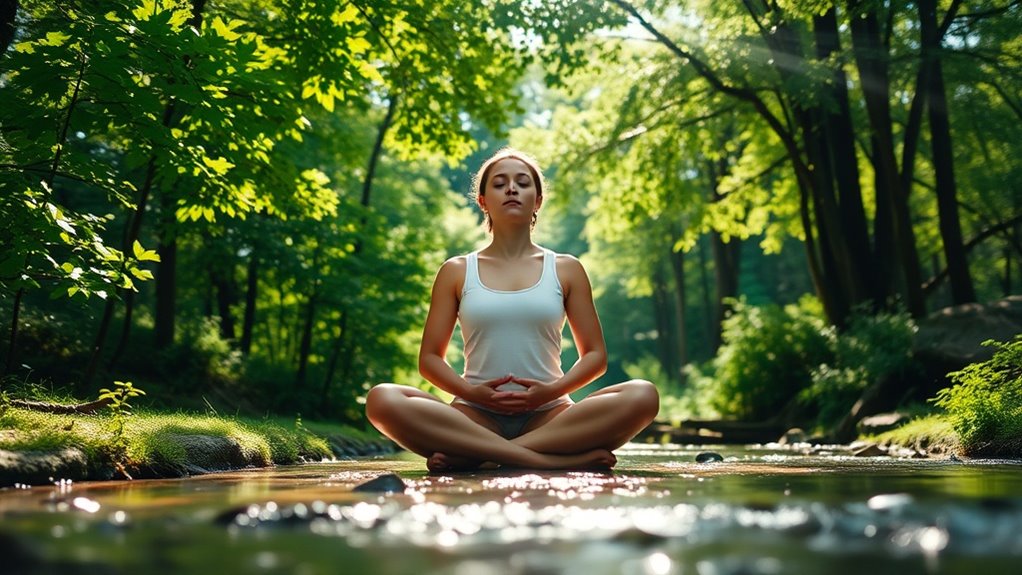
Research suggests that sessions lasting 10 to 20 minutes are most effective for stress relief, with even shorter periods providing benefits when practiced consistently. Practicing breathwork two to three times daily tends to produce more sustained reductions in stress and anxiety, reinforcing resilience over time. Longer sessions beyond 20 minutes often offer diminishing returns and can challenge adherence, making regular, shorter practices preferable for long-term stress management.
Ideal Session Lengths
Ideal session lengths for stress relief generally fall between 10 and 20 minutes, as this duration effectively activates the body’s relaxation response without becoming burdensome. Deep breathing during this window allows you to engage the parasympathetic nervous system sufficiently, promoting calmness. Research indicates that daily practice of 10-minute sessions can produce significant reductions in stress and anxiety, making this an accessible and sustainable approach. While longer sessions, up to 30 minutes, may deepen benefits, maintaining consistency can be challenging, especially for beginners. Short, frequent sessions—around 5 to 10 minutes multiple times daily—are equally effective for sustained stress management. The key is finding a session duration that balances effectiveness with your capacity, ensuring regular practice for ideal stress relief.
Recommended Practice Frequency
Practicing breathing exercises consistently throughout the day can considerably enhance stress resilience, especially when sessions are scheduled at regular intervals. The ideal practice frequency involves engaging in 2-3 sessions daily, each lasting 10-20 minutes, to support meaningful stress reduction. Studies show that even brief sessions of about 5 minutes, when practiced regularly, can produce measurable stress markers’ decline. Longer-term interventions spanning several weeks with consistent daily practice lead to more sustained benefits. Incorporating breathwork into your daily routine at specific times maximizes its calming effects and promotes ongoing stress recovery. Maintaining a regular practice frequency not only reinforces relaxation but also helps your body adapt to stress, making breathing exercises a practical, evidence-based tool for resilience.
Features of Effective Breathing Practices
Effective breathing practices focus on slow, deliberate pacing, usually around 4-6 breaths per minute, to optimize stress reduction. Precise techniques—such as prolonged exhalations or breath holds—enhance relaxation by activating the parasympathetic nervous system, while fast, shallow breathing often diminishes these benefits. Consistency and proper technique are essential features that distinguish successful practices from less effective ones.
Session Pacing Matters
Since pacing plays a crucial role in the effectiveness of breathing exercises, maintaining a slow and controlled rhythm can markedly enhance relaxation. Proper session pacing ensures your breath remains steady, promoting parasympathetic activation and reducing stress. When your inhalations and exhalations are around 4 to 6 seconds each, your body can effectively shift into a state of calm. Conversely, rapid breathing over 7 seconds per breath tends to decrease relaxation and may increase anxiety. Consistent pacing with smooth, deliberate breaths supports sustained physiological and psychological calm.
- A gentle, even rhythm that avoids abrupt changes
- Gradual increases or decreases in breath speed for comfort
- Avoiding irregular or overly fast breathing patterns
Technique Specificity Critical
The effectiveness of breathing exercises hinges on specific features that optimize physiological and psychological relaxation. Techniques like diaphragmatic breathing, pacing, and controlled breath cycles are essential. Slow, deliberate breaths that engage the diaphragm promote relaxation, while rapid or hyperventilatory patterns tend to be less effective. Incorporating pauses, extended exhalations, or breath holds enhances the relaxation response, setting effective practices apart from ineffective ones. Variations in rhythm, duration, and focus on diaphragmatic engagement directly influence outcomes, emphasizing the importance of technique specificity. Consistent use of targeted features—such as paced breathing—correlates strongly with stress reduction. By focusing on these precise features, you can maximize the calming effects of your breathing practice, fostering deeper physiological and psychological relief.
Avoid Fast Breathing
Fast breathing patterns, such as hyperventilation, can undermine the relaxation benefits gained from controlled breathing practices. Rapid inhalations and exhalations tend to activate the sympathetic nervous system, increasing feelings of stress and anxiety rather than promoting calm. To optimize stress reduction, focus on slow breathing—around 4-10 breaths per minute—that effectively stimulates the parasympathetic nervous system. This approach fosters a state of relaxation and helps your body recover naturally from stress.
- Rapid breathing may cause dizziness, shortness of breath, and heightened anxiety.
- Slow, paced breathing enhances physiological markers of relaxation.
- Moderate inhalation and exhalation support the body’s natural stress recovery processes.
Practical Tips for Incorporating Breath Control Into Daily Life
Incorporating breath control into daily routines can be a practical and effective way to manage stress, especially when approached with consistency and mindfulness. Regular practice of diaphragmatic breathing for 5-10 minutes activates the parasympathetic nervous system, facilitating stress relief. During moments of anxiety, slow, paced breathing can quickly calm your mind and body. Setting reminders or timers helps you intentionally engage in breath regulation before stressful events like meetings, fostering resilience. Combining breath awareness with mindfulness enhances relaxation and mental clarity by focusing on each inhale and exhale. Establishing a daily routine, such as morning or evening sessions, ensures sustained benefits. To illustrate, consider the following strategies:
| Technique | Purpose |
|---|---|
| Diaphragmatic breathing | Stress relief, relaxation |
| Slow-paced breathing | Anxiety reduction |
| Timed reminders | Consistent practice |
| Mindfulness focus | Mental clarity |
| Routine establishment | Long-term resilience |
These practices, rooted in empirical evidence, cultivate a compassionate approach to stress management.
Challenges and Considerations in Practicing Breath-Based Stress Management

Practicing breath-based stress management can be challenging when techniques are performed inconsistently or incorrectly, which may diminish their effectiveness. Poor technique accuracy and improper pacing can lead to suboptimal results or even increased stress. For example, fast or shallow breathing might heighten anxiety instead of reducing it, emphasizing the importance of controlled, mindful breathing. Additionally, individual differences—such as respiratory conditions or heightened anxiety sensitivity—can influence how effectively you respond to specific breathing exercises. Without proper guidance or training, you risk practicing methods that cause dizziness or discomfort, undermining your confidence and progress. Variability in session frequency and duration further complicates consistent stress relief. To optimize benefits, you need to pay attention to technique accuracy, pacing, and personalization of your breathing practices. Recognizing these challenges helps you approach breath-based stress management with patience, care, and informed adjustments.
Future Directions in Breath and Stress Research
Future research in breath and stress recovery is poised to deepen our understanding of how specific breathing patterns, durations, and frequencies can *maximize* stress reduction across diverse populations. By identifying these *ideal* techniques, we can tailor interventions that effectively promote neurobiological regulation, engaging brain circuits like the amygdala and prefrontal cortex involved in stress responses. Advances in wearable technology will enable real-time monitoring of physiological responses, making personalized breath-based strategies more accessible and precise. Longitudinal studies are essential to determine whether consistent breath practices enhance long-term stress resilience and mental health outcomes. Interdisciplinary collaborations among psychology, neuroscience, and bioengineering will accelerate innovations, offering a *thorough* understanding of how breath influences neurobiological pathways involved in stress recovery. Such insights will empower you to adopt evidence-based practices, fostering resilience and well-being through targeted, scientifically grounded breath interventions.
Practical Framework for Implementing Breathing Interventions
To effectively implement breathing interventions for stress reduction, it is essential to establish a practical framework grounded in evidence-based techniques and clear guidelines. Start by selecting proven methods such as diaphragmatic, paced slow, or alternate nostril breathing, which have demonstrated significant stress reduction in over 70% of studies. Determine ideal session duration, typically between 10 to 20 minutes, and establish a consistent practice schedule—daily or several times weekly. Incorporate gradual progression by beginning with shorter sessions and advancing in duration or complexity as comfort improves. Use standardized outcome measures, like the State-Trait Anxiety Inventory or visual analog scales, to monitor progress and refine your approach.
Implement evidence-based breathing techniques with consistent practice and outcome monitoring for effective stress reduction.
- Visualize a calming routine: focus on slow nasal breaths, diaphragmatic movement, and consistency.
- Track your stress levels over time to evaluate effectiveness.
- Adjust techniques based on outcome measures for sustained benefits.
Common Questions
Does Breathing Help With Recovery?
Yes, breathing helps with recovery. Mindful breathing activates your parasympathetic nervous system, promoting relaxation and emotional regulation. Relaxation techniques like slow, diaphragmatic breathing can lower cortisol levels and heart rate, speeding up recovery after stress. Regular practice strengthens your body’s ability to return to baseline faster, supporting mental resilience and overall well-being. You’ll find that breathing exercises are a compassionate, effective tool for managing stress and enhancing recovery.
What Are the 5 R’s of Stress Management?
The 5 R’s of stress management are Recognize, Reduce, Relax, Reframe, and Reassure. You start by developing mindful awareness of stress symptoms, which aids emotional regulation. Then, you minimize stressors, employ relaxation techniques like breathwork to restore physiological balance, reframe negative thoughts, and reassure yourself to build resilience. This structured approach promotes a compassionate, empirical path to managing stress effectively, supporting both mental clarity and overall well-being.
What Is the 4-7-8 Method?
The 4-7-8 method is a mindful breathing technique promoting diaphragmatic control and breath awareness. You inhale through your nose for 4 seconds, hold your breath for 7 seconds, then exhale slowly through your mouth for 8 seconds. This pattern helps activate your parasympathetic nervous system, reducing stress and anxiety. Regular practice can foster a sense of calm, emotional regulation, and improved sleep, supporting overall mental health through empirical, compassionate techniques.
Why Is It Important to Breathe During Exercise?
Breathing during exercise is crucial because it guarantees proper oxygen flow to your muscles, supporting performance and endurance. By practicing breath awareness and diaphragmatic breathing, you can optimize oxygen intake and carbon dioxide removal, helping prevent fatigue and dizziness. It also stabilizes your heart rate and reduces stress on your autonomic nervous system, fostering a more efficient and compassionate approach to exercise that promotes better recovery and overall well-being.