
Your gut health affects your mood through the gut-brain axis, a bidirectional communication system involving neural, hormonal, and immune pathways. The vagus nerve plays a central role by transmitting signals between your gut and brain, influenced by the microbiome’s composition. An imbalanced microbiota can impair neurotransmitter production like serotonin and GABA, increasing mood disorder risks. Exploring these mechanisms further reveals how diet, probiotics, and lifestyle may support mental well-being effectively.
Key Points
- The gut-brain axis connects gastrointestinal health and mood via neural, hormonal, and immune pathways, influencing emotional well-being.
- Gut microbiota produce neurotransmitters like serotonin, affecting mood regulation and mental health.
- Microbiome imbalances (dysbiosis) can disrupt signaling pathways, increasing risks of depression and anxiety.
- Dietary choices, probiotics, and prebiotics support a healthy microbiome, positively impacting mood.
- Personalized microbiome profiling offers potential for targeted treatments to improve mental health outcomes.
Understanding the Gut-Brain Axis
The gut-brain axis is a complex, bidirectional communication network that links your gastrointestinal system with your central nervous system. Central to this system is the enteric nervous system, often called the “second brain,” which contains over 100 million nerve cells. This network facilitates rapid signaling between the gut and brain through neural, hormonal, and immune pathways. The vagus nerve is a critical conduit, transmitting sensory and chemical signals, including neurotransmitters like serotonin and dopamine, produced by gut microbiota. These neurotransmitters influence mood and emotional regulation, demonstrating the axis’s role in mental health. Disruptions in the gut microbiome can impair this bidirectional communication, potentially contributing to mood disorders such as anxiety and depression. Understanding the gut-brain axis underscores its importance in maintaining both gastrointestinal and mental well-being, highlighting how gut microbiota and neural pathways work together to regulate overall health.
How the Vagus Nerve Facilitates Communication
As one of the longest cranial nerves, the vagus nerve plays a pivotal role in mediating communication between your gut and brain. It serves as a critical component of the gut-brain connection by transmitting sensory signals from the gastrointestinal tract to the brainstem and conveying motor commands that regulate digestive functions. This bidirectional communication relies on nerve cells and neurotransmitters released within the gut, which influence mood and emotional responses. Chemical signals, including hormones and neurotransmitters, are relayed via the vagus nerve, modulating neural activity associated with mood regulation. Proper functioning of the vagus nerve guarantees effective signaling; conversely, inflammation or disruption can impair gut-brain communication, potentially contributing to mood disorders and gastrointestinal issues. Techniques that stimulate the vagus nerve, such as deep breathing, can enhance this neural pathway, supporting both gastrointestinal health and emotional well-being.
The Impact of Gut Microbiota on Mental Well-Being
Emerging research indicates that gut microbiota considerably influence mental well-being by producing neuroactive compounds and modulating neural pathways involved in mood regulation. The gut microbiota produce approximately 90% of the body’s serotonin, a critical neurotransmitter linked to mood and emotional stability. An imbalance, or dysbiosis, can disrupt this production, increasing the risk of mood disorders such as depression. The gut and brain communicate via multiple mechanisms:
Gut microbiota produce 90% of serotonin, crucial for mood and emotional health, highlighting their role in mental well-being.
- Neurotransmitter synthesis, including serotonin and GABA, affecting emotional responses.
- Vagus nerve signaling, transmitting neurochemical messages directly from the gut to the brain.
- Probiotics, which can restore microbiota balance and reduce anxiety and depressive symptoms.
- Neuroactive compound modulation, influencing cognitive functions and emotional resilience.
Maintaining a diverse and balanced gut microbiota is essential for supporting mental health, underscoring the critical role of the gut-brain axis.
Strategies to Support a Healthy Gut and Mood
To support a healthy gut and mood, focus on consuming a diverse range of whole, unprocessed foods such as fruits, vegetables, and fermented products, which promote beneficial microbiota. Incorporating probiotic-rich foods like yogurt and kimchi can help maintain microbial balance, while reducing processed foods and added sugars minimizes inflammation and supports gut-brain communication. Additionally, balancing nutrient intake, especially fiber from whole grains and legumes, is essential for fostering both digestive and mental health.
Eat Whole, Fresh Foods
Consuming whole, unprocessed foods such as fruits, vegetables, and whole grains provides essential nutrients that support a diverse and balanced gut microbiome, which is crucial for peak mood regulation. Incorporating a variety of fresh foods increases dietary diversity, fostering a resilient microbiome linked to improved gut health and emotional well-being. To optimize your diet:
- Picture a colorful plate filled with berries, leafy greens, and whole grains.
- Imagine a spoonful of tangy kimchi or yogurt, rich in probiotics.
- Visualize fiber-rich foods like oats and legumes fueling beneficial bacteria.
- Envision cutting back on processed snacks high in additives, reducing inflammation.
Focusing on whole foods, fiber, and fermented options enhances gut-brain communication, supporting mental health through improved microbiome diversity and nutrient intake.
Boost Gut Microbes Naturally
Enhancing your gut microbiome through natural strategies can substantially influence mood and overall mental health. Incorporating probiotics through foods like yogurt, kimchi, and sauerkraut introduces beneficial gut bacteria that promote mood regulation. Fermented foods enhance microbial diversity, which has been linked to reductions in anxiety and depressive symptoms. Consuming high-fiber diets rich in prebiotics such as garlic and bananas supports the growth of beneficial microbes, fostering a balanced microbiome. Increased microbial diversity improves gut-brain communication, positively impacting mood. Limiting processed foods and maintaining hydration further optimize gut bacteria composition. These evidence-based strategies strengthen gut health, ultimately supporting mental well-being by maintaining a resilient, balanced microbiome conducive to mood regulation.
Balance Nutrients Effectively
Balancing nutrients effectively is essential for supporting a healthy gut and optimizing mood, as specific dietary choices directly influence microbial composition and function. Incorporate a variety of fiber sources—such as whole grains, legumes, fruits, and vegetables—to nourish beneficial gut bacteria. Consuming probiotic-rich foods like yogurt, kefir, and kimchi helps reinforce a resilient microbiome, while prebiotics like garlic, onions, and bananas feed these good bacteria. Limiting processed foods, added sugars, and saturated fats prevents disruption of microbial balance and supports immune health. To optimize gut health and mood, consider:
- Eating diverse fiber-rich foods daily
- Including fermented foods for probiotics
- Adding prebiotics to your meals
- Avoiding processed, sugar-laden processed foods
These strategies foster a balanced diet that sustains a healthy microbiome and immune system.
The Role of Diet and Supplements in Gut Health
Diet plays a crucial role in shaping gut health, with evidence indicating that a diet rich in fiber, probiotics, and prebiotics supports a diverse and resilient gut microbiome. Fermented foods like yogurt, kefir, sauerkraut, and kimchi introduce beneficial live bacteria, enhancing gut health and potentially improving mental well-being through the gut-brain axis. Conversely, limiting processed foods high in additives, saturated fats, and sugars helps preserve microbiome equilibrium and reduces inflammation linked to mood disorders. Nutrients such as omega-3 fatty acids, antioxidants, and amino acids derived from a varied diet further promote gut-brain communication and mental health. When dietary intake alone is insufficient, supplements like probiotic capsules or prebiotic fibers can be employed under medical supervision. The table below illustrates key dietary components and their roles:
| Component | Food Sources | Function |
|---|---|---|
| Probiotics | Yogurt, kefir, kimchi | Enhance gut microbiome diversity |
| Prebiotics | Garlic, onions, bananas | Feed beneficial bacteria |
| Dietary Fiber | Whole grains, legumes | Support microbiome stability |
Emerging Research and Future Perspectives
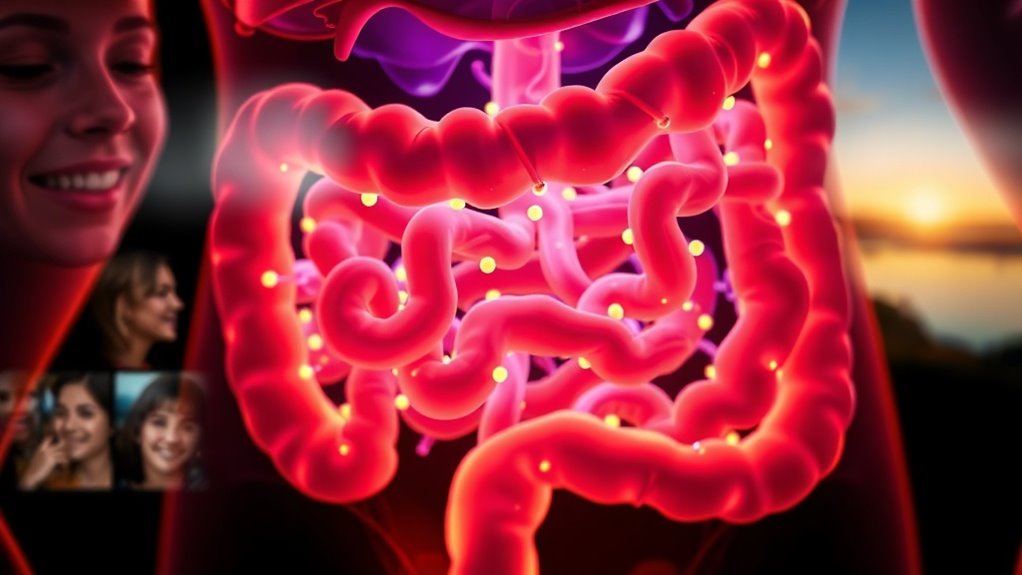
Emerging research is increasingly demonstrating that the gut microbiome plays a significant role in modulating mental health through the production of neurotransmitters such as serotonin and gamma-aminobutyric acid (GABA). Advances in microbiome sequencing are allowing scientists to precisely characterize individual gut microbiota profiles, revealing correlations with mood disorders. Future studies aim to identify specific bacterial strains that could be targeted with personalized probiotic therapies, optimizing gut-brain communication and neurochemical balance. Clinical trials are actively evaluating the causal impact of gut health interventions on alleviating depression and anxiety symptoms. To visualize this progress:
- Imagine a detailed gut microbiota map, guiding targeted treatments.
- Visualize tailored probiotic formulations designed for individual microbiome profiles.
- Envision non-invasive microbiome sequencing guiding personalized interventions.
- Picture ongoing clinical trials linking gut microbiota modulation to mood improvement.
This evidence-based approach promises to transform future treatments for mood disorders by harnessing the complex gut-brain axis.
Common Questions
How Does Gut Health Affect Mood?
Your gut health influences mood through the gut-brain axis, where microbiome diversity and serotonin production play key roles. Probiotic benefits enhance digestive balance and may reduce leaky gut syndrome, improving mood regulation. Proper digestive enzymes support ideal function, and maintaining a healthy microbiome can positively impact mental health. Overall, a balanced gut promotes better emotional well-being by supporting neurotransmitter synthesis and minimizing inflammation.
What Emotions Are Trapped in the Gut?
Imagine your gut as a vault where emotional blockages like anger retention, sadness patterns, and anxiety triggers are stored. Stress accumulation and digestive frustrations can trap these emotions, disrupting happiness factors and calmness indicators. Evidence suggests that unresolved feelings of anger, fear, or sadness linger physically in your gut, influencing neurotransmitter production, especially serotonin, and perpetuating emotional distress through ongoing inflammation and microbiota imbalance.
Does Your Gut Health Affect Anxiety?
Yes, your gut health impacts anxiety through the gut-brain axis, affecting microbiome diversity and serotonin production. Probiotic benefits can modulate the stress response and reduce inflammation effects, improving mood. Dietary impact plays a key role in managing digestive disorders and supporting healthy gut microbiota. Chronic stress can disrupt this balance, worsening anxiety. Maintaining a diverse microbiome enhances resilience against anxiety symptoms by promoting ideal gut-brain communication.
What Emotions Are Linked to the Gut?
Your gut is closely linked to emotions like anxiety, depression, and stress response through the gut-brain connection. The gut-brain axis regulates serotonin production and influences digestive feelings, impacting mood fluctuations. When microbiome balance is disrupted, emotional digestion suffers, leading to heightened stress responses and mood instability. These findings highlight how gut health directly affects emotional well-being, emphasizing that you’re only as happy as your gut’s microbiota allows.